


Porcelain/Ceramic Crown
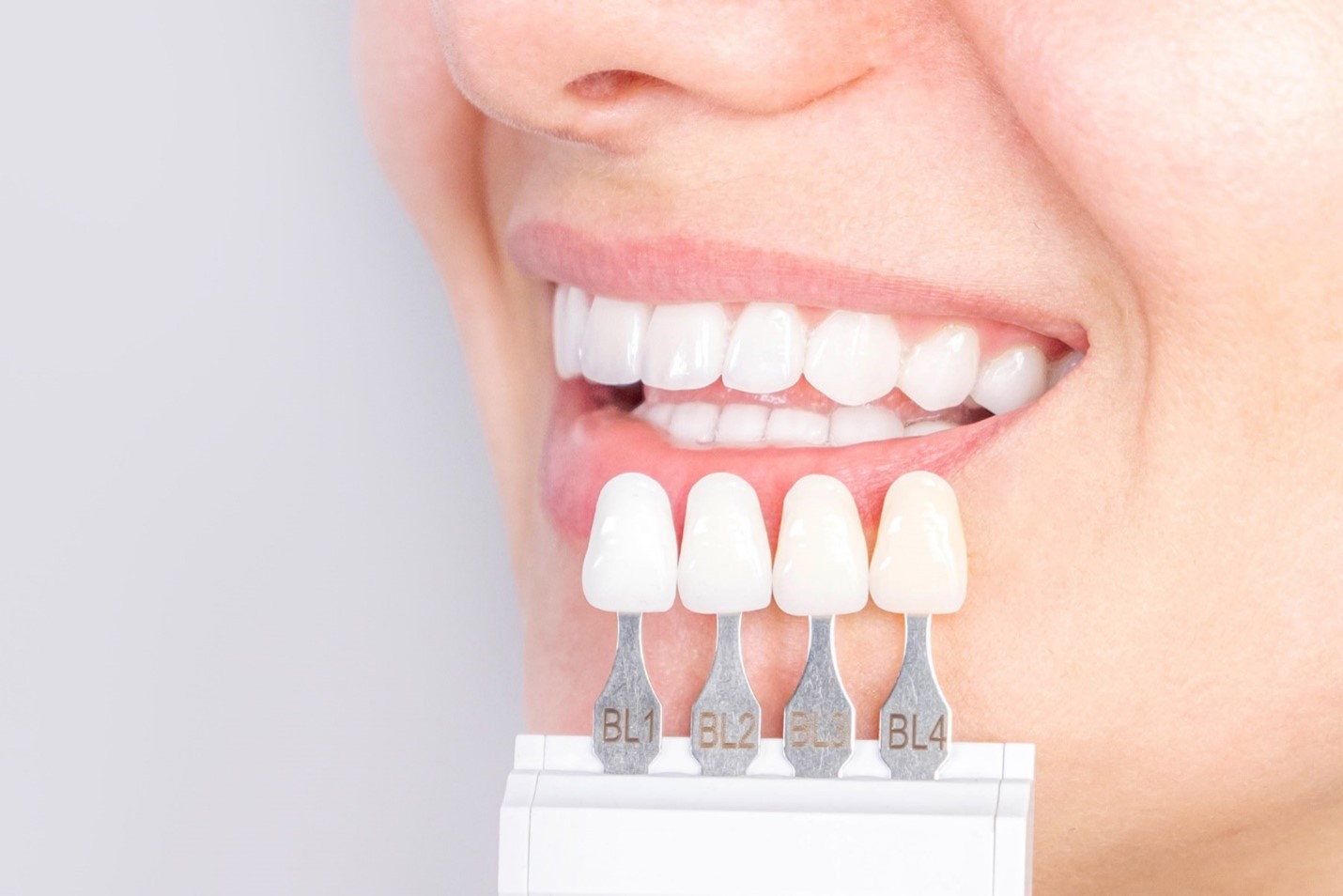
When it comes to restoring your smile, a porcelain/ceramic crown offers both strength and beauty. If you have a tooth that is damaged, weakened, or heavily filled, this treatment may be the perfect option. Many patients searching for Ceramic Crowns in Manhattan, NY choose this solution because it provides the protection of a durable restoration while blending seamlessly with natural teeth.
In this guide, we’ll explore the benefits of porcelain/ceramic crown, what the procedure involves, and what you can expect before, during, and after treatment.
Benefits of Porcelain/Ceramic Crown
A porcelain/ceramic crown does more than restore a damaged tooth—it helps bring back your confidence and protects your oral health long term. Here’s a deeper look at why so many patients in Manhattan prefer this treatment:
• Natural look and feel – Ceramic material is translucent, meaning it reflects light like enamel. This makes the crown virtually indistinguishable from your natural teeth, unlike older metal-based crowns.
• Durability you can trust – With proper care, a porcelain/ceramic crown can last a decade or longer. Today’s advanced materials are designed to withstand the daily pressure of biting and chewing.
• Tooth preservation – If a tooth has been weakened by decay, cracks, or root canal treatment, the crown adds a layer of protection that prevents further damage.
• Custom design for comfort – Each crown is tailored to your bite, so chewing and speaking feel natural. Once placed, most patients forget they even have a crown.
• Improved confidence – A restored tooth means you can eat, laugh, and smile freely without worrying about gaps, chips, or visible dental work.
For patients who want a restoration that combines both function and beauty, a porcelain/ceramic crown is one of the most reliable treatment options available.
The Procedure for Porcelain/Ceramic Crown
Getting a porcelain/ceramic crown is usually completed in two appointments, although some cases may vary depending on your dental needs. Here’s what you can expect step by step:
- Initial Consultation
At your first visit, your dentist will examine the tooth and surrounding area to determine if a porcelain/ceramic crown is right for you. X-rays may be taken to assess the roots and supporting bone. This is also the time to discuss your goals, ask questions, and learn about how the crown will restore your tooth. - Tooth Preparation
The damaged or decayed areas of the tooth are gently removed, and the remaining structure is reshaped to make room for the crown. This step is important because it ensures a secure fit. - Impressions and Shade Matching
Your dentist takes detailed impressions or digital scans to create a crown that fits precisely. The shade of your natural teeth is also recorded to guarantee that the new porcelain/ceramic crown blends seamlessly into your smile. - Temporary Crown Placement
While your permanent crown is being fabricated, a temporary one is placed to protect the prepared tooth. This allows you to continue with normal eating and speaking until the final crown is ready. - Permanent Crown Placement
At your second visit, the temporary crown is removed, and your custom porcelain/ceramic crown is bonded into place with dental cement. Your dentist checks your bite, comfort, and appearance before completing the procedure.
The entire process is typically comfortable and straightforward, with most patients returning to normal routines the same day.
What to Expect After a Porcelain/Ceramic Crown
After receiving your porcelain/ceramic crown, you may experience mild sensitivity or soreness in the gums for a short period. This is normal and usually improves quickly. Most patients are able to eat comfortably as soon as the anesthesia wears off.
Here are a few things to keep in mind after treatment:
• Temporary sensitivity – Hot or cold sensitivity may occur for a few days, but it fades as the tooth adjusts to its new crown.
• Oral care is essential – Brush twice a day, floss carefully around the crown, and use a non-abrasive toothpaste. Crowns cannot decay, but the surrounding gum tissue and tooth structure still need protection.
• Avoid harmful habits – Chewing on ice, pens, or fingernails can damage your crown. If you grind your teeth at night, your dentist may recommend a night guard for added protection.
• Regular checkups matter – Routine dental visits allow your dentist to monitor the crown and keep your smile healthy.
With good oral hygiene and professional care, your porcelain/ceramic crown can last for many years, giving you both function and confidence.
Why Choose a Porcelain/Ceramic Crown in Manhattan?
In a city as busy as New York, many patients want dental treatments that are effective, long-lasting, and natural-looking. A porcelain/ceramic crown fits all of these needs. It restores damaged teeth without drawing attention, giving you the confidence to show your smile in both professional and social settings.
Whether you’ve cracked a tooth, undergone a root canal, or need protection after a large filling, this treatment provides a reliable solution. At Levy Dental Arts, our team carefully designs each crown for maximum comfort, strength, and aesthetics.
Ready for a Stronger, Brighter Smile?
If you’ve been living with a damaged tooth, don’t wait until the discomfort worsens. A porcelain/ceramic crown may be the perfect solution to restore both your smile and your peace of mind. At Levy Dental Arts in Manhattan, our skilled team uses advanced technology to create restorations that look and feel just like natural teeth.
We invite you to schedule a Smile Consultation and discover how a porcelain/ceramic crown can protect your tooth while giving you confidence every time you smile. Visit our Contact Page to book your appointment today, and take the first step toward lasting dental health and a smile you’ll be proud to share.
Frequently Asked Questions:
How long does a porcelain/ceramic crown last?
Most porcelain/ceramic crowns last between 10 and 15 years, but with excellent care, they can last even longer. Routine dental visits, good hygiene, and avoiding harmful habits will extend their lifespan.
Is getting a porcelain/ceramic crown painful?
No. The procedure is performed under local anesthesia, which numbs the tooth and surrounding area. Patients typically report little to no discomfort. Any mild sensitivity afterward is temporary and manageable.